- The Crisafulli Government is launching an Australian-first trial to improve energy output of Queensland’s transmission network.
- The trial is collecting real-time weather information on 200km of high-voltage powerlines to determine how much more electricity can be safely transmitted.
- The Crisafulli Government’s Energy Roadmap is putting downward pressure on power prices, with the latest draft Default Market Offer revealing South East Queensland power prices down 10.1 per cent, and 13 per cent for small businesses, for the first time in a decade.
- Innovation is driving better outcomes on existing energy assets to dial up more affordable, reliable and sustainable power to Queensland homes.
The Crisafulli Government is delivering affordable, reliable and sustainable energy, embarking on an Australian-first trial on its high-voltage electricity transmission network to improve efficiencies and overall output into Queensland homes.
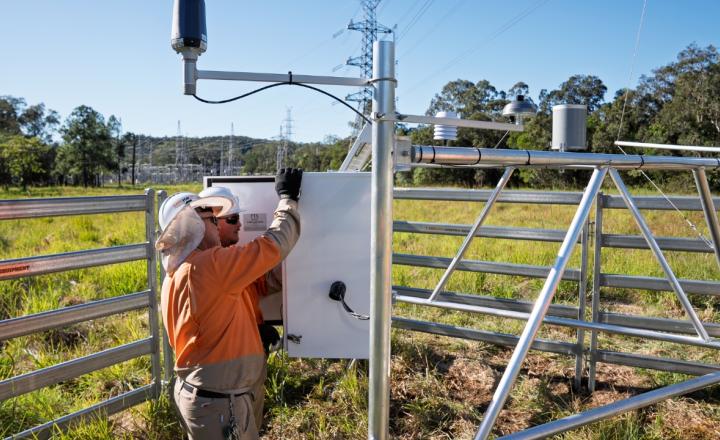
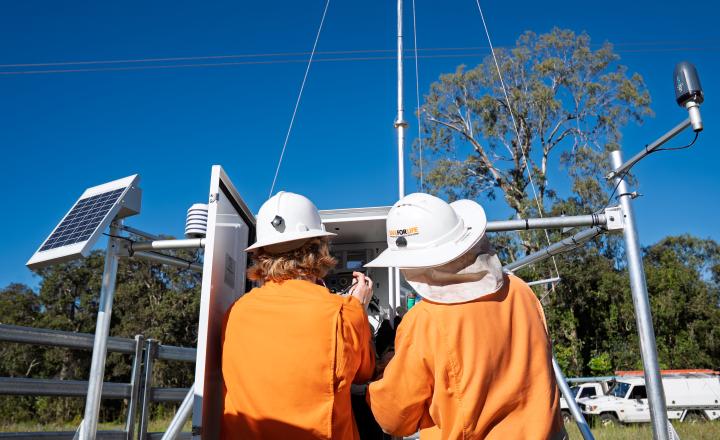
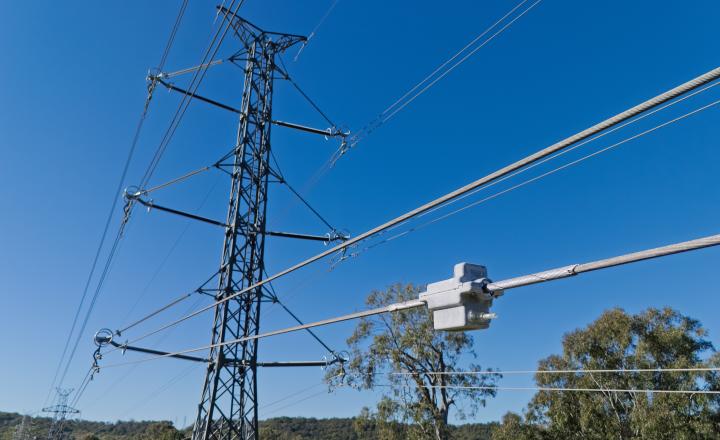
The 12-month trial by government-owned corporation Powerlink has deployed eight portable weather stations and 22 powerline-mounted sensors along 200km of high-voltage lines between Palmwoods and Woolooga to gather real-time data to improve electricity output.
The technology uses live local weather data, including wind speed and air temperature, to determine Dynamic Line ratings, or how much electricity a transmission line can safely carry at any moment.
The initiative is the latest practical measure to improve grid reliability.
The Crisafulli Government’s Energy Roadmap is delivering affordable, reliable and sustainably energy, with the latest draft Default Market Offer revealing South East Queensland power prices are down 10.1 per cent, and nearly 13 per cent for small businesses.
Treasurer and Minister for Energy David Janetzki said the trial was an example of how the Crisafulli Government was investing in innovation to deliver affordable, reliable and sustainable energy for Queenslanders.
“Having real-time data to increase flow of the electricity network can deliver genuine benefits to how we can deliver electricity to Queensland homes,” Treasurer Janetzki said.
“This technology allows power to be dialled up across the existing network, where the weather conditions allow, which in turn minimises the need to build new infrastructure.
“This is our Energy Roadmap policy in action - improving existing energy assets while building what Queensland needed for the future.”
Member for Nicklin Marty Hunt said the innovative technology was not only benefitting the electorate but the wider Queensland community.
“If successful, this trial in Nicklin will help deliver a most efficient energy asset for all of Queensland and demonstrate how the Crisafulli Government is delivering on its promise for more affordable, reliable and sustainable energy for Queensland,” Mr Hunt said.
Powerlink’s Acting Interim Chief Executive Stewart Bell said embracing innovation was part of Powerlink’s DNA.
“Favourable weather conditions can significantly impact how much power can flow across transmission lines. Even a slight increase in wind speed could safely increase the capacity of line transfers by up to 40 per cent,” Mr Bell said.
“Done well, congestion across our network will decrease, productivity of how Powerlink’s assets are used will improve, and can reduce the amount of new transmission lines that need to be built.
“We will run this trial for at least a year to capture all weather seasons, as well as to allow the information to be incorporated into Powerlink’s network operating software.”